

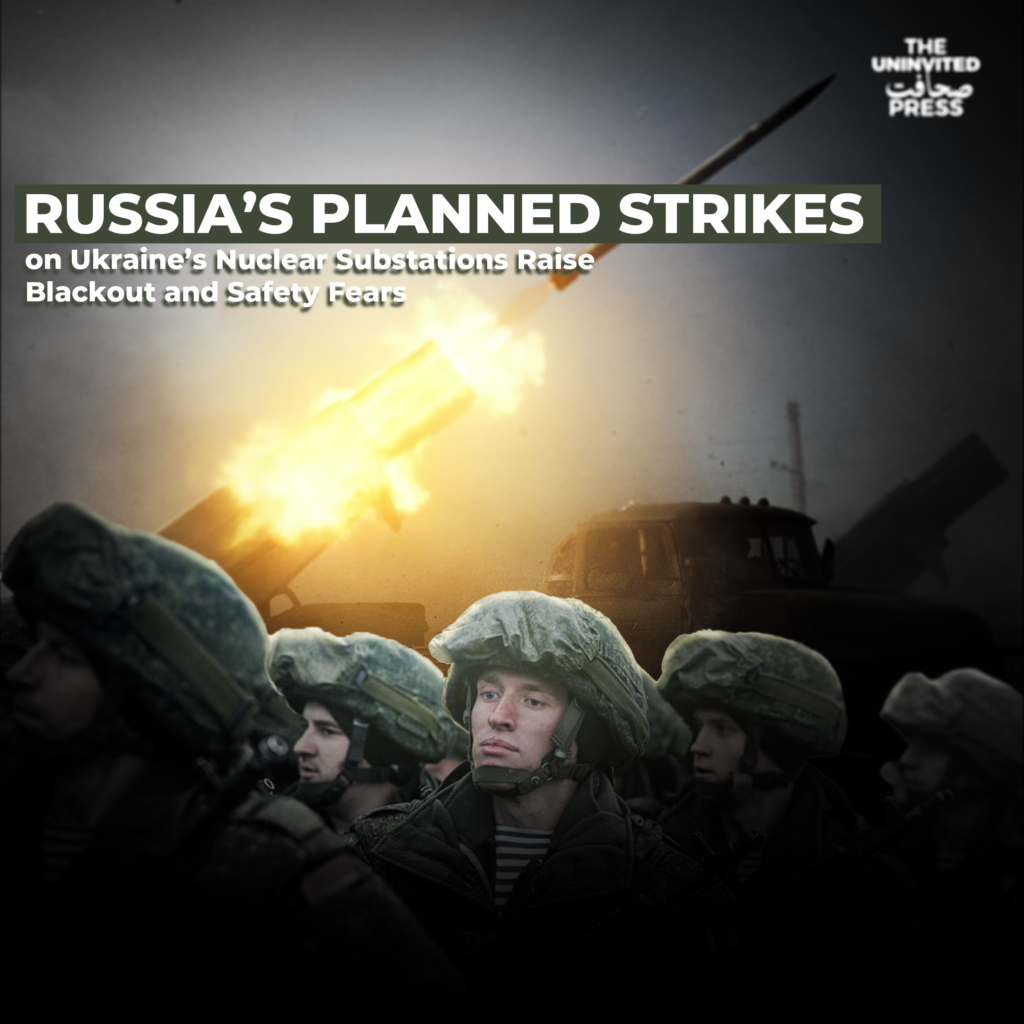
Ukrainian intelligence warns of Russian plans to strike nuclear-linked substations in 2026, risking blackouts, meltdowns, and forcing surrender amid escalating energy attacks.
Nuclear Winter Warning: Russia's Alleged Plan to Disconnect Ukraine's Power Plants:
As Ukraine braces for its fourth winter of war, fresh intelligence exposes Russia’s alleged plot to cripple the nation’s nuclear power infrastructure. On January 17, 2026, Ukraine’s Main Intelligence Directorate (HUR) revealed that Russian forces have scouted at least 10 key electrical substations across nine regions, aiming to sever connections to three active nuclear plants. This could force reactors onto emergency generators, risking catastrophic failures akin to Chernobyl while plunging millions into darkness amid sub-zero temperatures. The human toll is mounting: families endure days without heat, hospitals strain under outages, and the specter of radiation looms over Europe, underscoring how energy has become Moscow’s weapon of coercion.
Blackout Warfare: Drone Swarms, Substation Hits, and Nuclear Alarms:
The escalation unfolded amid Russia’s relentless winter offensive. By October 2025, as temperatures dropped, Moscow launched 256 air attacks on energy facilities, including 151 on substations. Ukrainian Energy Minister Denys Shmyhal reported 612 total strikes on infrastructure since 2022, with every power plant hit. On January 9, 2026, a barrage severed Kyiv from the national grid, destroying local plants and imposing emergency blackouts of up to 10 hours daily.
January 16 brought IAEA confirmation: military activity damaged a substation critical to Chernobyl’s operations, with air raid alarms at all five Ukrainian nuclear sites. The next day, HUR disclosed Russia’s reconnaissance of 10 sites, targeting substations for Rivne, Khmelnytskyi, and South Ukraine plants-Ukraine’s last major power sources, supplying over half the nation’s electricity. President Volodymyr Zelenskyy echoed this, stating Russia possesses data on facilities prepped for strikes.
Overnight into January 18, Russia unleashed 201 drones, striking 15 locations including critical infrastructure in Kharkiv and Zaporizhzhia. By January 20, another massive assault with over 300 drones and missiles hit energy sites, damaging nuclear-safety substations. In Kyiv, half the power is gone; in Odesa and Dnipro, outages last days, with families resorting to wood stoves.
Occupied Plants and Targeted Substations: Russia's Long War on Ukraine's Energy Future:
Russia’s campaign against Ukraine’s energy grid dates to the 2022 invasion, when initial strikes caused widespread outages. By 2025, tactics evolved: February saw a drone pierce Chernobyl’s containment dome, compromising its seal. November 2025 marked intensified hits on western substations for Khmelnytskyi and Rivne plants. This “infrastructure warfare” aims to split the grid into isolated “energy islands,” per ISW analysis, dividing east-west and forcing shortages.
Historically, Russia’s occupation of Zaporizhzhia NPP since 2022 raised global alarms, with repeated blackouts risking meltdowns. Ukraine’s nuclear sector, once Europe’s third-largest, now operates at reduced capacity amid war. Beyond blackouts affecting 40 million, strikes risk radiation leaks-experts warn a substation failure could mimic Chernobyl, spreading fallout across Europe.
Economically, repairs cost billions; humanly, it exacerbates displacement, with Kyiv’s mayor urging evacuations. Putin’s regime directs strikes; Zelenskyy leads resistance; IAEA’s Rafael Grossi monitors safety.