

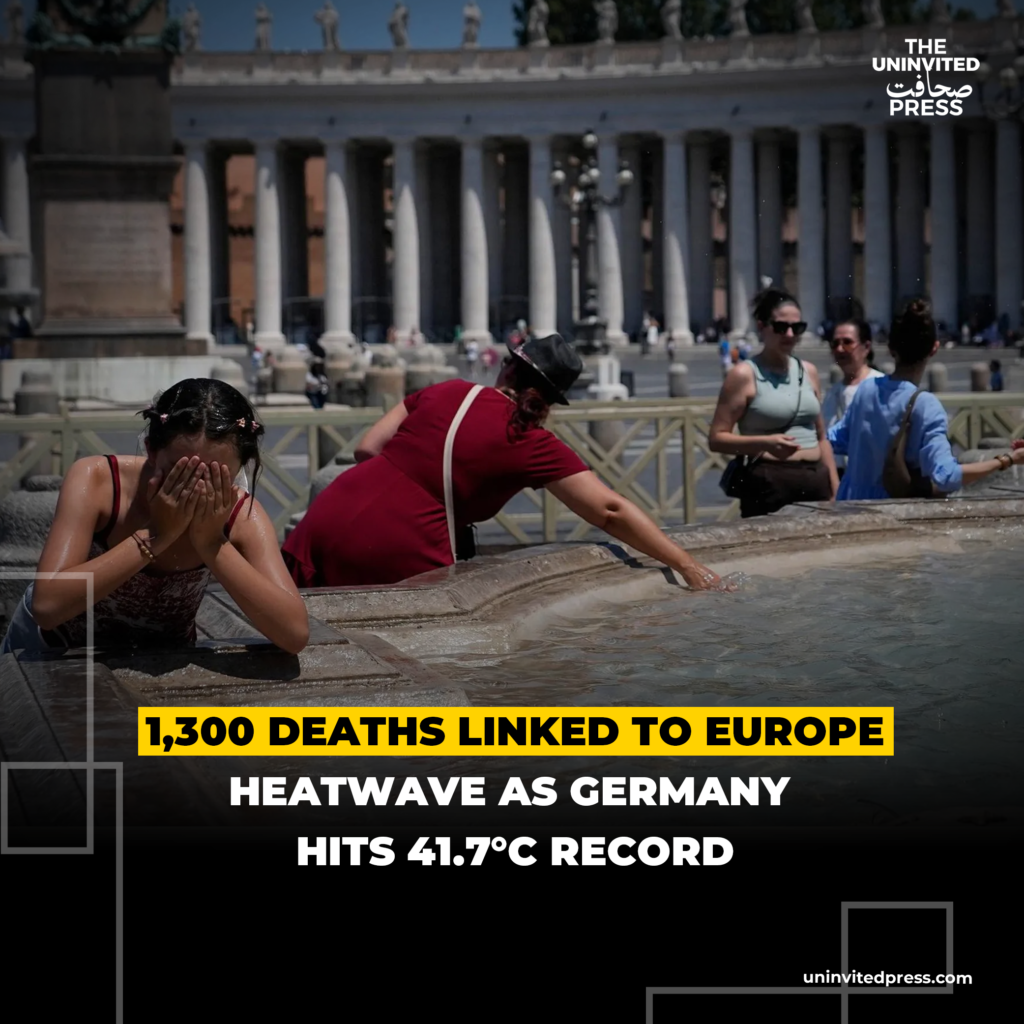
Rising temperatures are putting millions at risk, with vulnerable groups suffering the most. Scientists link the growing intensity of heatwaves to the escalating climate crisis.
As temperatures soared across Europe in late June 2026, images of exhausted residents seeking relief in public fountains-like those in historic squares in Italy-have come to symbolise a deadly heatwave gripping the continent.
According to the World Health Organization (WHO), more than 1,300 excess deaths across Europe have been linked to the extreme heat since June 21. The figure, announced by WHO Director-General Tedros Adhanom Ghebreyesus, underscores the growing human cost of intensifying heat events driven by the climate crisis.
Germany shattered its all-time temperature record, reaching a provisional high of 41.7°C, surpassing previous marks set just days earlier. The blistering conditions extended to France, Spain, Italy, Poland, and parts of Central and Northern Europe, prompting health authorities to issue urgent warnings and cancel public events.
Scorching Temperatures Claim More Lives:
The heatwave has exposed deep vulnerabilities in Europe’s ageing populations and urban infrastructure. In France, dozens of deaths were reported, including drownings as people sought relief in rivers and lakes, and heat-related fatalities among the elderly. Spain recorded over 300 heat-linked deaths in the period, while other countries reported additional casualties from heatstroke and related complications.
Public health experts note that excess mortality data often undercounts the full impact, as many deaths occur among those with pre-existing conditions exacerbated by high temperatures. Hospitals and emergency services have been strained, with warnings about water shortages and risks to outdoor workers and those without adequate cooling.
In Germany, the national weather service (DWD) confirmed the new record amid a series of successive highs, raising concerns about infrastructure resilience, including railways and power grids ill-equipped for such prolonged extremes. Similar disruptions were reported across the region, with schools adjusting schedules and authorities advising residents to stay indoors during peak heat hours.
Climate Crisis Fuels Deadlier Heatwaves:
Scientists have long warned that human-induced climate change is making heatwaves more frequent, longer, and more intense. This latest event comes against a backdrop of Europe experiencing some of its hottest years on record, with previous summers already linked to tens of thousands of heat-related deaths continent-wide.
“These are not isolated events,” climate researchers emphasise. “The science is clear: without rapid reductions in greenhouse gas emissions and stronger adaptation measures, such tragedies will become the new normal.”
European governments have faced criticism for varying levels of preparedness. While heat action plans exist in several countries, implementation gaps-particularly for marginalised communities, migrants, and rural areas-remain evident. Calls are growing for improved early warning systems, urban greening, and investments in cooling infrastructure.
Europe’s experience serves as a stark reminder that even wealthy nations are not immune, highlighting the urgent need for international cooperation on climate action ahead of key summits.
As the heat begins to ease in some western areas but persists eastward, health officials continue to monitor the situation closely. For many, the images of people cooling off in fountains offer temporary respite-but also a sobering visual of a warming world where such scenes may become increasingly common.