

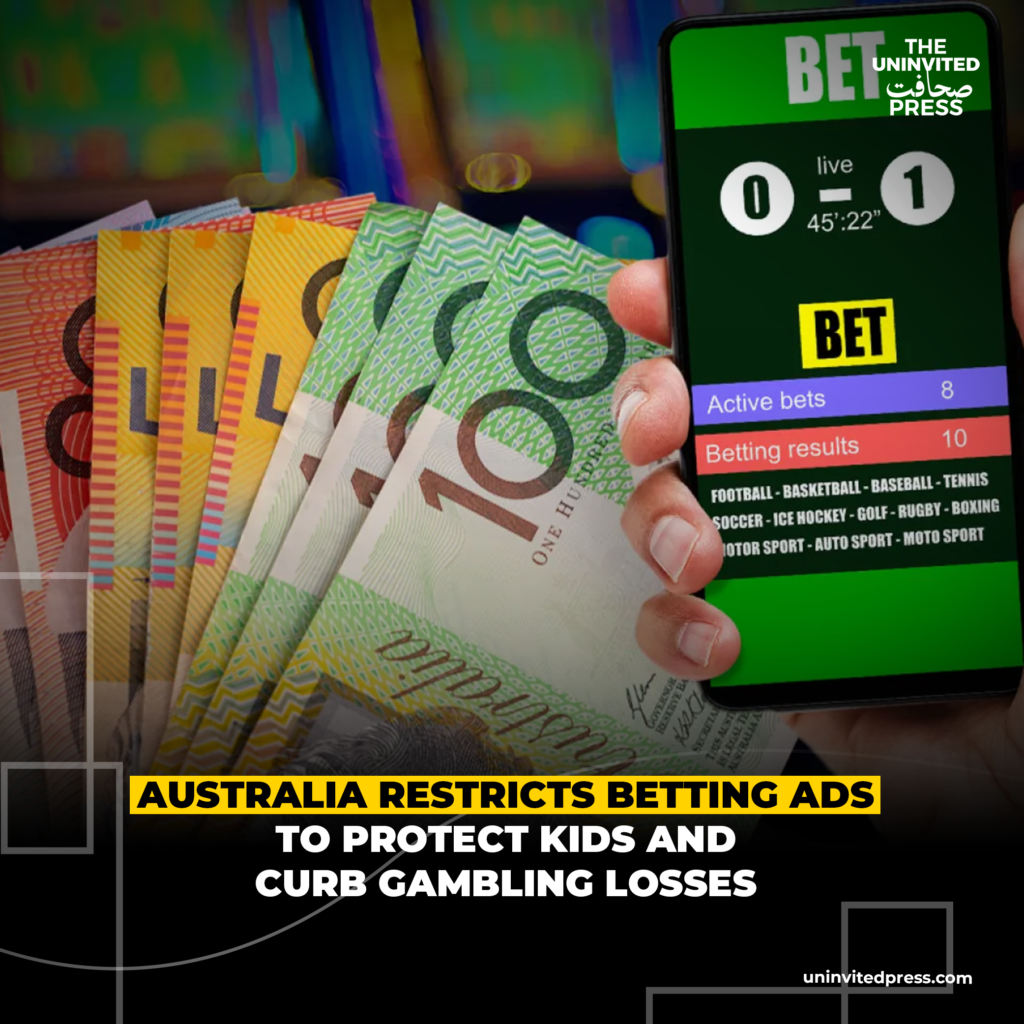
Prime Minister Albanese unveils reforms capping TV ads, banning celebrity endorsements and sports sponsorships, but falls short of full ban demanded by health advocates.
The Australian government has introduced its most significant reforms to gambling advertising in the country’s history, aiming to reduce children’s exposure to betting promotions and break the strong link between sport and wagering.
Announced by Prime Minister Anthony Albanese on April 2, 2026, the measures will take effect from January 1, 2027. They include strict limits on when and where betting ads can appear across television, radio, online platforms and sporting venues.
The reforms respond to growing public concern over the normalisation of gambling, particularly among young people, amid record gambling losses exceeding $31 billion in recent years and evidence that hundreds of thousands of teenagers are engaging in betting.
Australia Tightens Gambling Ad Rules to Protect Children:
Australia has introduced strict new rules to limit gambling advertising and protect children. TV ads will be capped and completely banned during live sports between 6am and 8:30pm, while radio ads will be restricted during school hours.
Online ads will only target verified adults, with opt-out options available. Celebrities and athletes will no longer appear in gambling promotions, and sponsorships will be removed from sports venues and uniforms.
The measures also include action against illegal offshore sites and certain online gambling products, aiming to reduce children’s exposure while allowing regulated access for adults.
Critics argue the reforms fall short:
Public health advocates and medical groups have criticised the package as insufficient. The Alliance for Gambling Reform described the measures as “timid” and argued that an opt-out system for online ads effectively places the burden on parents rather than protecting children by default.
The Australian Medical Association warned that “anything less than a comprehensive ban will continue to expose Australians-especially children-to relentless gambling promotion.” A 2023 parliamentary inquiry had recommended a phased total ban on online gambling advertising, a call that remains unheeded more than 1,000 days later.
Reverend Tim Costello of the Alliance for Gambling Reform compared the situation to tobacco advertising, asking why society would tolerate multiple gambling ads per hour when cigarette promotions are unthinkable.
A 2025 report by The Australia Institute estimated that up to 600,000 teenagers aged 12-17 gamble, losing a combined $18 million annually, while overall gambling harm has risen in recent years.
Impact on sport and industry:
The reforms are expected to affect major sporting codes such as the AFL and NRL, which have long-standing commercial ties with betting companies. Broadcasters and sports organisations may face revenue shortfalls as they seek alternative sponsors.
Sports Minister Anika Wells said the changes would “break the connection between wagering and sport” and help prevent gambling-related harm, including links to family and domestic violence, which disproportionately affects young men.
The government has described the package as the strongest action on gambling advertising ever taken in Australia. However, with major sports broadcasts often watched by families, the partial nature of the restrictions has left many wondering whether the “deluge” of betting promotions will truly diminish.
As the January 2027 deadline approaches, families, health experts and the gambling industry will be watching closely to see whether these steps mark the beginning of deeper reform or merely a temporary curb on what has become a ubiquitous part of Australian sporting culture.