

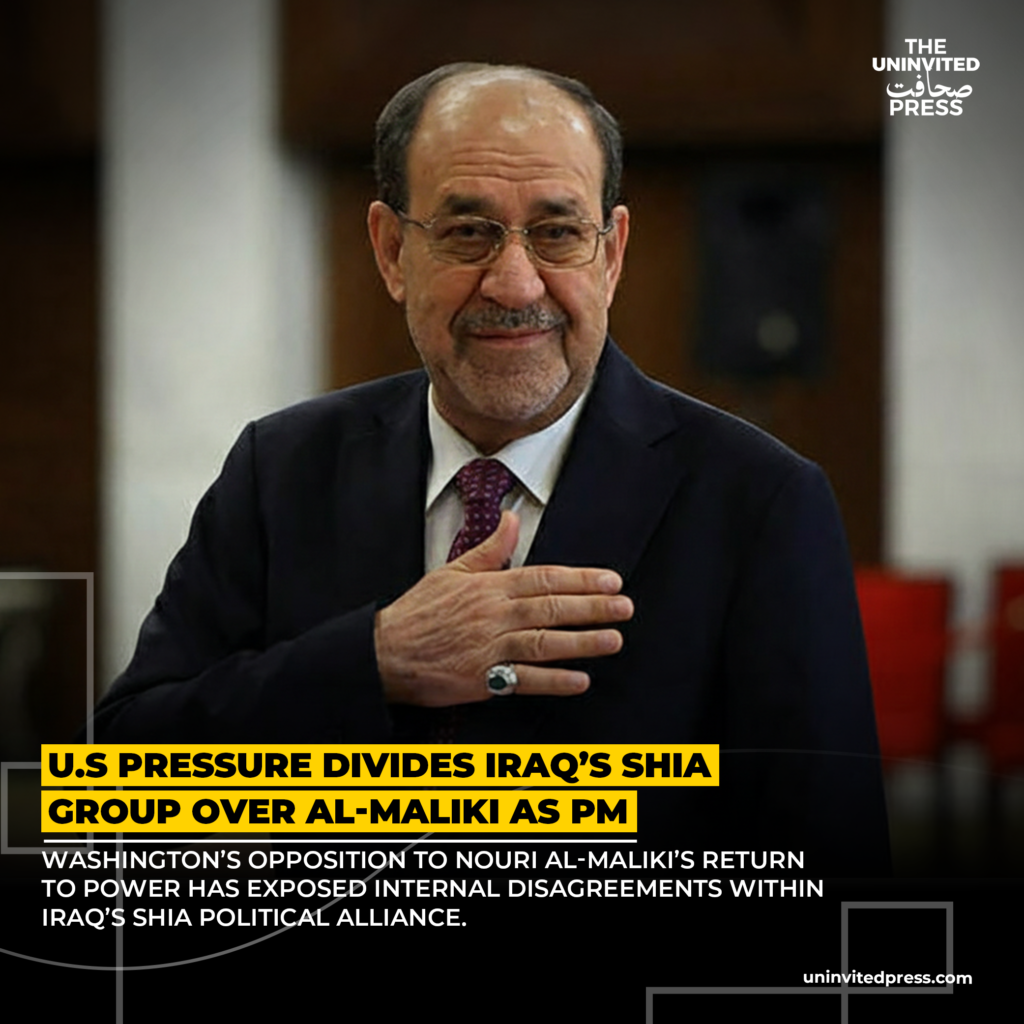
Washington’s fierce opposition to Nouri al-Maliki’s potential return exposes deep rifts in Iraq’s dominant Shia alliance, threatening aid and stability.
U.S. Threats Fracture Iraq's Shia Alliance Over Al-Maliki's Comeback Bid:
Iraq’s political landscape is fracturing under U.S. threats as the Shia Coordination Framework grapples with nominating former Prime Minister Nouri al-Maliki for a third term. Trump’s public warnings and reported financial pressures have highlighted internal divisions, potentially derailing government formation and escalating tensions with Iran-backed factions. This standoff could destabilize Iraq’s fragile recovery from years of conflict, underscoring ongoing foreign influence in its sovereignty.
Timeline of the Al-Maliki Nomination Crisis: From Selection to Stalemate:
On January 24, 2026, Iraq’s Shia Coordination Framework-a coalition of pro-Iran Shia parties that secured a parliamentary majority in the November 2025 elections-formally nominated Nouri al-Maliki as their candidate for prime minister. This move came after intense internal negotiations, with al-Maliki emerging as a frontrunner despite initial reluctance from some members.
Three days later, on January 27, U.S. President Donald Trump posted on Truth Social, calling al-Maliki a “very bad choice” and warning that U.S. aid to Iraq would cease if he returned to power. U.S. officials followed up privately, reportedly informing Iraq’s Central Bank Governor Ali al-Allaq that oil export revenues-deposited in a New York Federal Reserve account-could be restricted. Al-Allaq denied this specific claim in a message to Bloomberg, but the warnings amplified pressure.
By January 30, the CF publicly reaffirmed its support for al-Maliki, rejecting “foreign interference.” Al-Maliki echoed this on X (formerly Twitter), accusing Trump of being “misled” by rivals and defending Iraq’s sovereignty. However, some CF factions, including those tied to moderate Shia leaders, pushed for withdrawal to avoid sanctions, while hardliners insisted on proceeding. A planned February 1 parliament session to elect a president-who would then task the PM nominee with forming a government-was postponed due to Kurdish disputes over the presidency and ongoing CF infighting. As of February 9, no new date is set, leaving Iraq without a government three months post-election.
Iraq's Fragile Power-Sharing System and the High Stakes of Al-Maliki's Return:
Iraq’s political system, established post-2003 U.S. invasion, mandates power-sharing; Shia hold the premiership, Sunnis the parliament speakership, and Kurds the presidency. The November 2025 elections saw the CF, formed in 2021 as a pro-Iran bloc, win the largest Shia share, but not an outright majority, necessitating alliances.
Al-Maliki’s 2006-2014 tenure is controversial. Accused of sectarian policies favoring Shia over Sunnis, his rule alienated minorities, contributing to the 2014 ISIS surge that captured swathes of Iraq. He resigned amid pressure from Grand Ayatollah Ali al-Sistani and U.S. officials. Since then, al-Maliki has led the State of Law Coalition within the CF, maintaining ties to Iran-backed militias like the Popular Mobilization Forces (PMF).
The U.S. opposition stems from al-Maliki’s perceived Iran alignment, especially amid Trump’s “maximum pressure” on Tehran, including recent strikes and sanctions. Iraq’s economy relies on U.S.-managed oil revenues (over 90% of budget) and aid, making threats potent. This echoes 2014, when U.S. and Iraqi Shia clerics blocked his third term.
Iran influences via militias and politics, while U.S. leverage comes from financial and military support. Recent events, like Iran’s use of Iraqi militias to suppress its own protests in January 2026, underscore Baghdad’s entanglement. Analysts warn al-Maliki’s return could revive sectarianism, empower militias, and isolate Iraq internationally.
Why it matters? Iraq’s stability affects regional security, oil markets, and counter-terrorism. A prolonged deadlock risks protests like 2019’s, which killed over 1,000, or militia escalations against U.S. forces.