

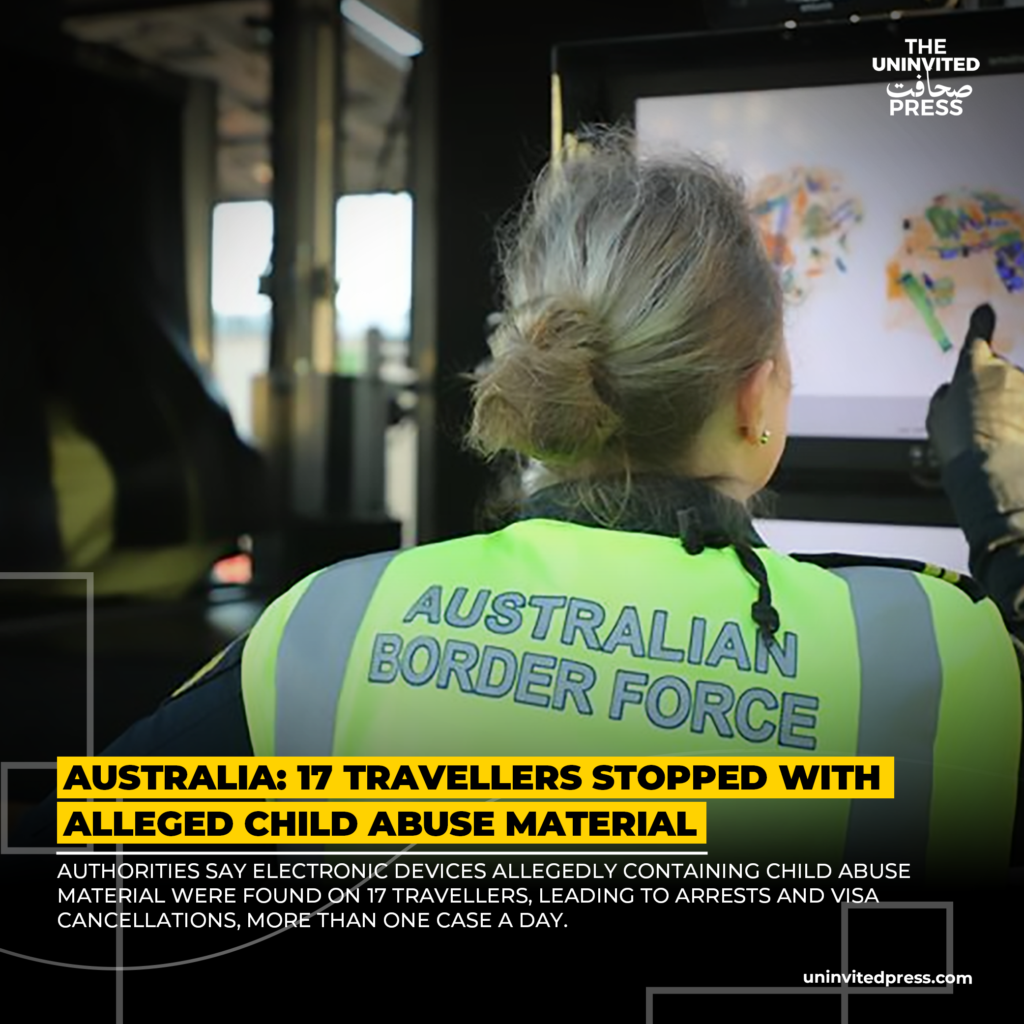
Australian Border Force intercepts 17 travellers with alleged child abuse material Jan 1-14 2026; arrests, visa cancellations at airports. Part of ongoing crackdown rescuing kids worldwide.
Arrests, Visa Cancellations, and Device Seizures Mark Aggressive Start to Year's Anti-Exploitation Efforts:
Australian Border Force officers kicked off 2026 with a relentless push against child exploitation, intercepting 17 travellers whose electronic devices allegedly contained child abuse material between January 1 and 14-more than one case daily. These detections, spanning major airports nationwide, triggered immediate arrests, visa revocations, and collaborative investigations with police, highlighting the hidden threats lurking in everyday travel.
This surge in border stops not only disrupts potential offenders but amplifies Australia’s global role in child protection, where each seizure can lead to rescues abroad and lifetime monitoring at home. As devices undergo forensic scrutiny, the actions expose the dark underbelly of digital crimes crossing international lines, fueling calls for even tighter tech regulations.
Swift Detections at Airports Nationwide:
The crackdown unfolded rapidly across Australia’s gateways. In New South Wales, seven travellers were flagged, including a 26-year-old Malaysian man arriving in Sydney whose phone allegedly held over 100 images of child abuse material, including AI-generated and anime depictions. His visa was cancelled, and he was questioned before deportation to Malaysia.
Another NSW case involved a 48-year-old Australian man returning from Hong Kong to Sydney, where officers allegedly found 10 videos of child abuse material on his device. He was arrested, charged with three Commonwealth offences including importing child abuse material, refused bail, and is set for court on March 3, facing up to 40 years if convicted.
Victoria saw three interceptions, such as a 57-year-old Australian arriving in Melbourne from Indonesia with alleged videos and images on two phones, now held for further probes.
In Queensland, four cases emerged, including a 24-year-old Australian from Japan stopped in Brisbane with alleged material on his phone-despite holding a working with children card. He was arrested, his laptop seized, and granted bail ahead of a February 6 court appearance.
Western Australia reported one case: a 70-year-old Australian from Indonesia in Perth, whose three phones and two laptops allegedly contained material and messages with a minor.
South Australia had two, including a 27-year-old Australian woman from Japan in Adelaide, arrested after alleged evidence was found; ABF is partnering with local police for ongoing inquiries. All cases stemmed from targeted examinations, with no injuries or immediate public threats reported.
A Escalating Battle at the Borders:
Australia’s borders have long been a frontline in combating child exploitation, with the ABF empowered under the Migration Act and Customs Act to inspect devices without warrants in border settings. This latest wave builds on a two-year trend: From January 2024 to December 2025, ABF stopped over 435 potential child sex offenders at airports.
These efforts tie into broader initiatives like the Australian Centre to Counter Child Exploitation (ACCCE), a partnership involving ABF, Australian Federal Police (AFP), and state forces. Referrals from ABF detections have rescued 158 children overseas, arrested 32 facilitators, and added six offenders to the lifetime Australian National Child Offender Register.
Child abuse material fuels demand for real-world harm, often involving vulnerable children in developing nations. Australia’s zero-tolerance policy, amplified post-COVID travel resurgence, reflects global trends where digital borders are as critical as physical ones.